
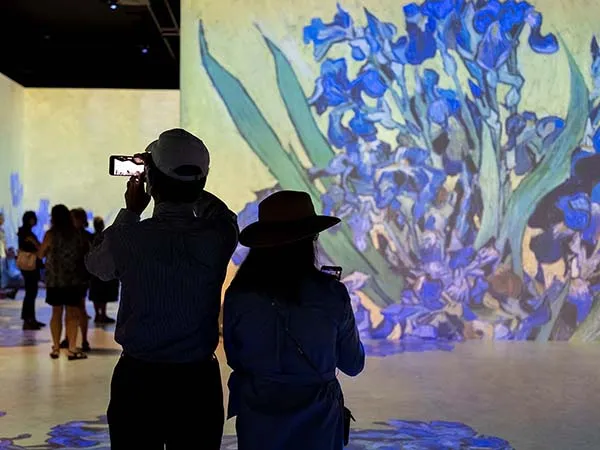
There’s a reason immersive exhibitions continue to draw record-breaking audiences across the globe. They meet people where they are. They’re visual, accessible, emotionally engaging, and when done well, they transform a venue into something unforgettable.
For venue operators, the idea of hosting an experience like Van Gogh Alive is both exciting and, understandably, a little daunting. The good news is that it is far more achievable than many assume, provided the fundamentals are right.
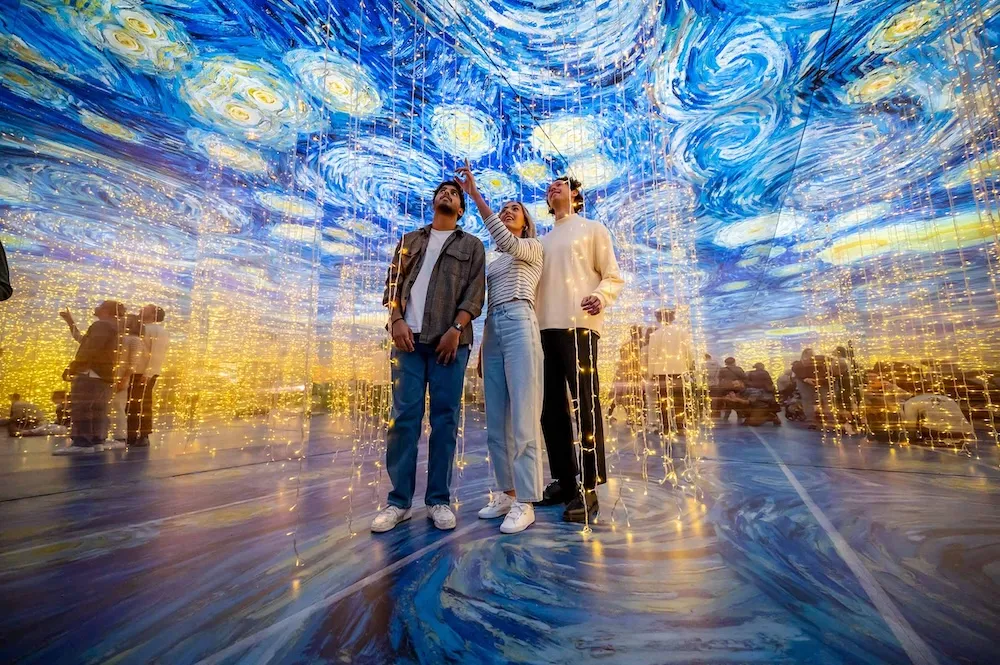
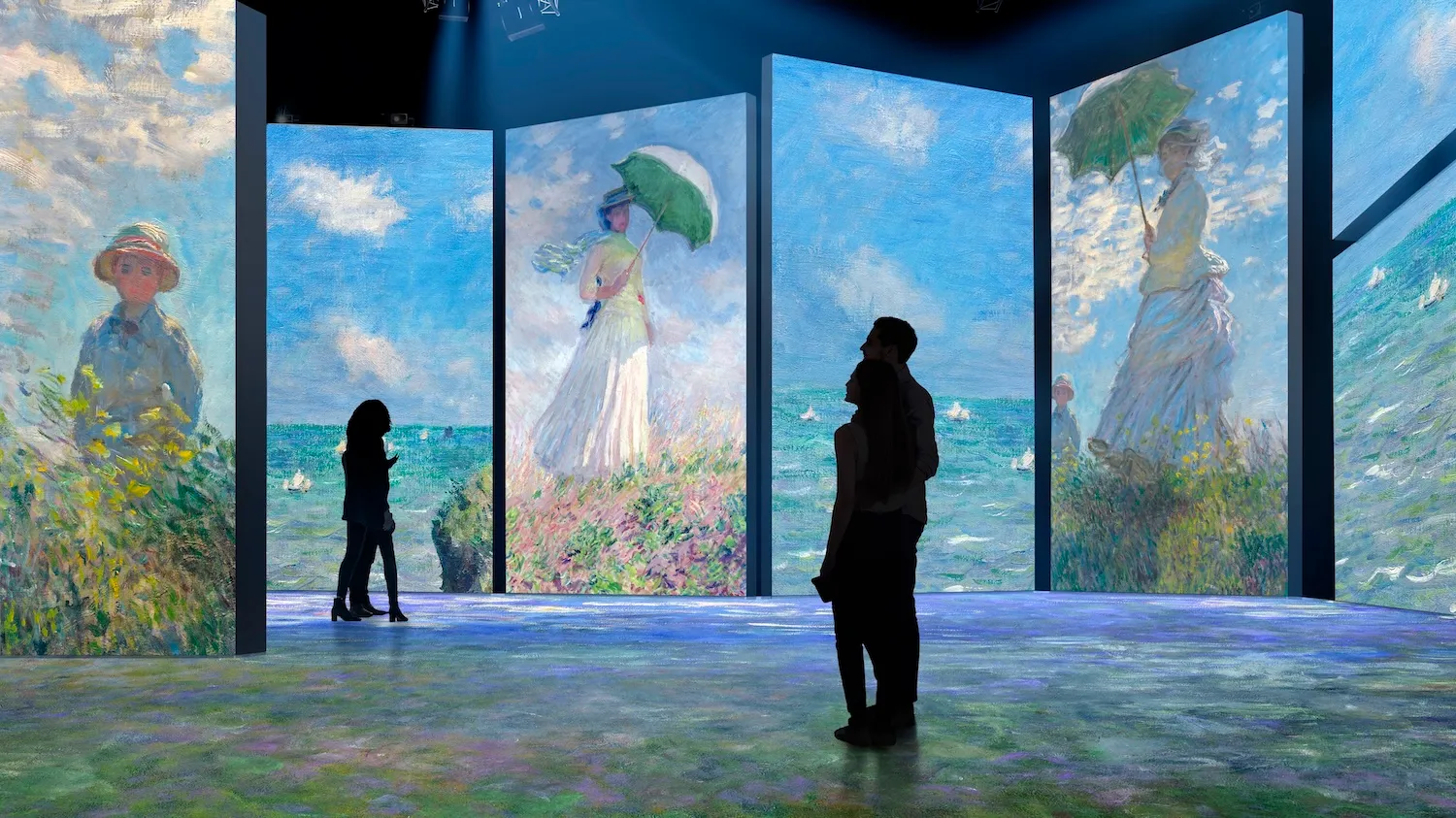
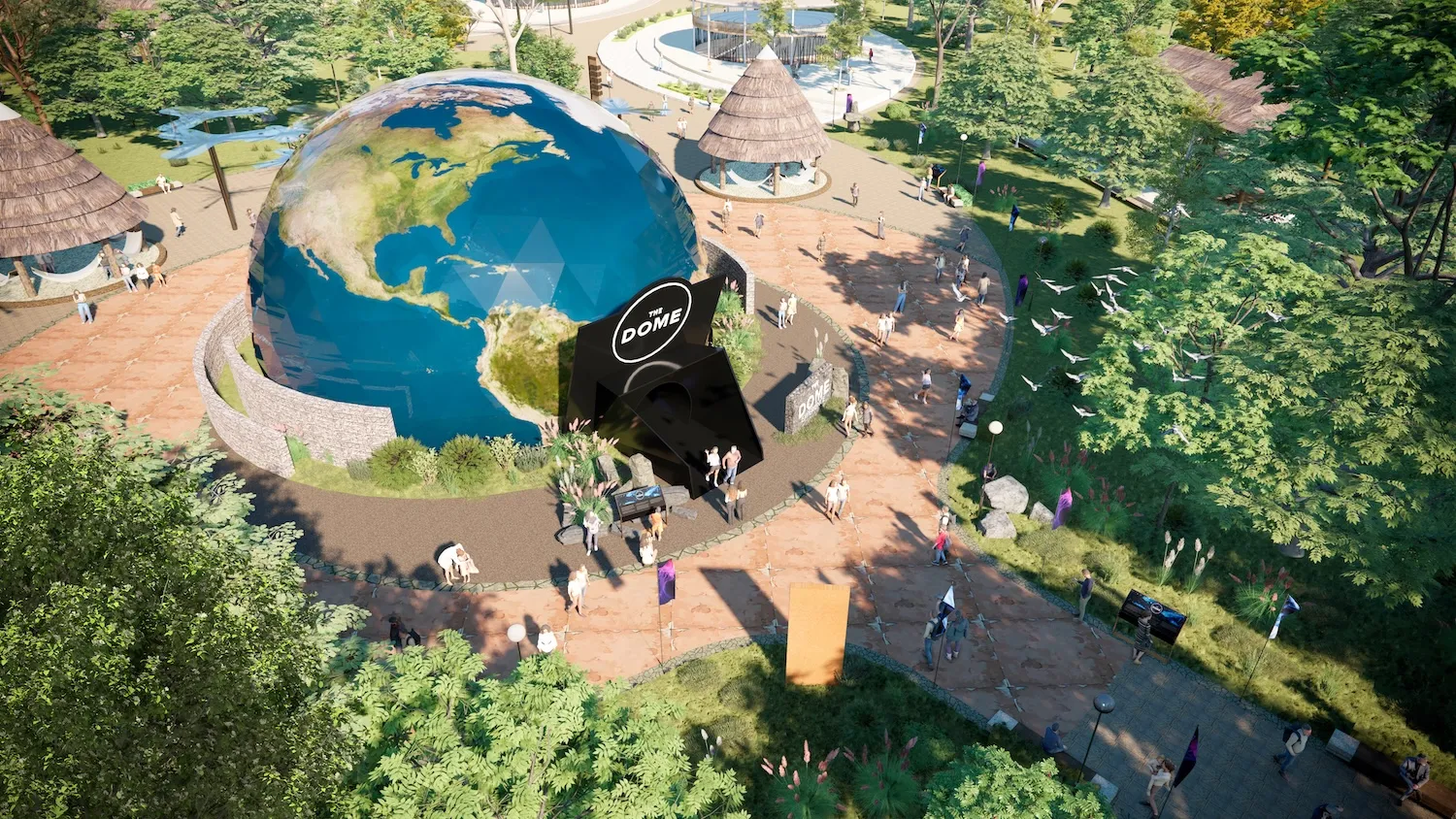
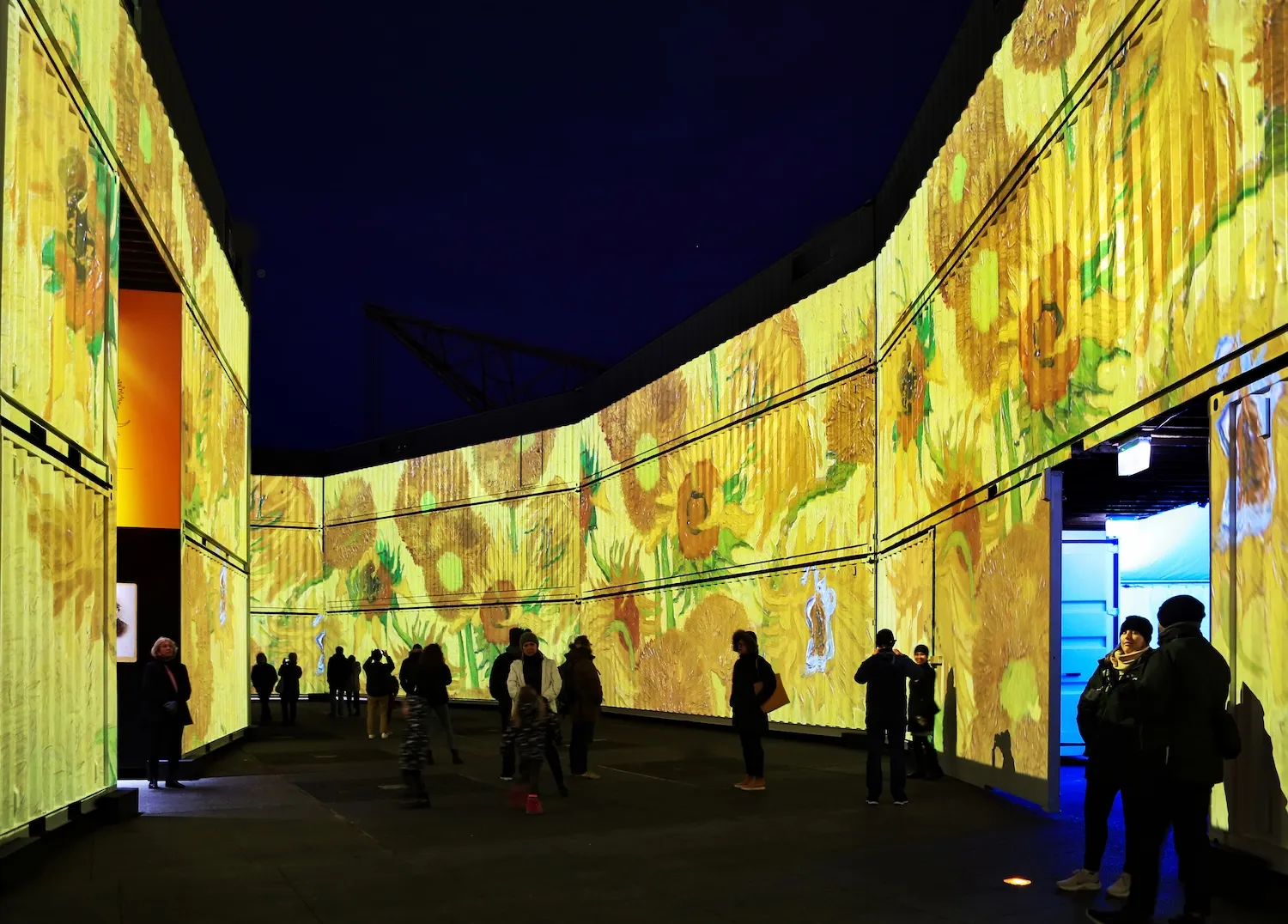
Not all venues are created equal, but many can be adapted. The key is not perfection, it is flexibility. Immersive exhibitions thrive in spaces that allow for movement, flow and scale. High ceilings help. Open floor plans help even more. Experiences can even be presented outdoors as well as indoors. What matters most is the ability to shape the environment into something that feels intentional.
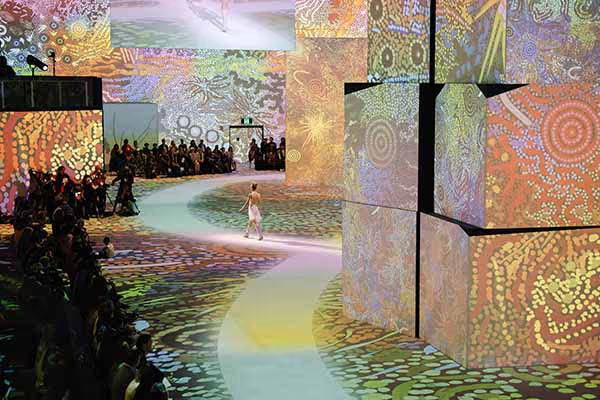
Audiences are not just walking through a gallery space. They are stepping into an immersive world. The venue becomes part of the storytelling.
Before anything else, it is worth asking a simple question. Who will come?
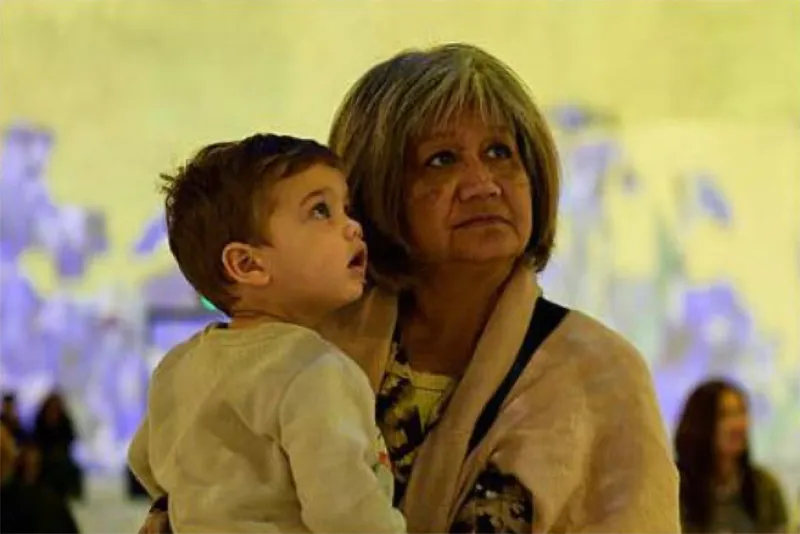
Immersive exhibitions tend to attract a broader audience than traditional cultural programming. Families, young adults, seniors, tourists and people who may not typically visit galleries all find their way through the doors. That diversity is a strength, but it also means thinking carefully about accessibility, dwell time and visitor flow.
A successful run is not just about ticket sales. It is about creating an experience people talk about afterwards.
The most effective hosts understand that the immersive component is only part of the picture. What surrounds it matters just as much.
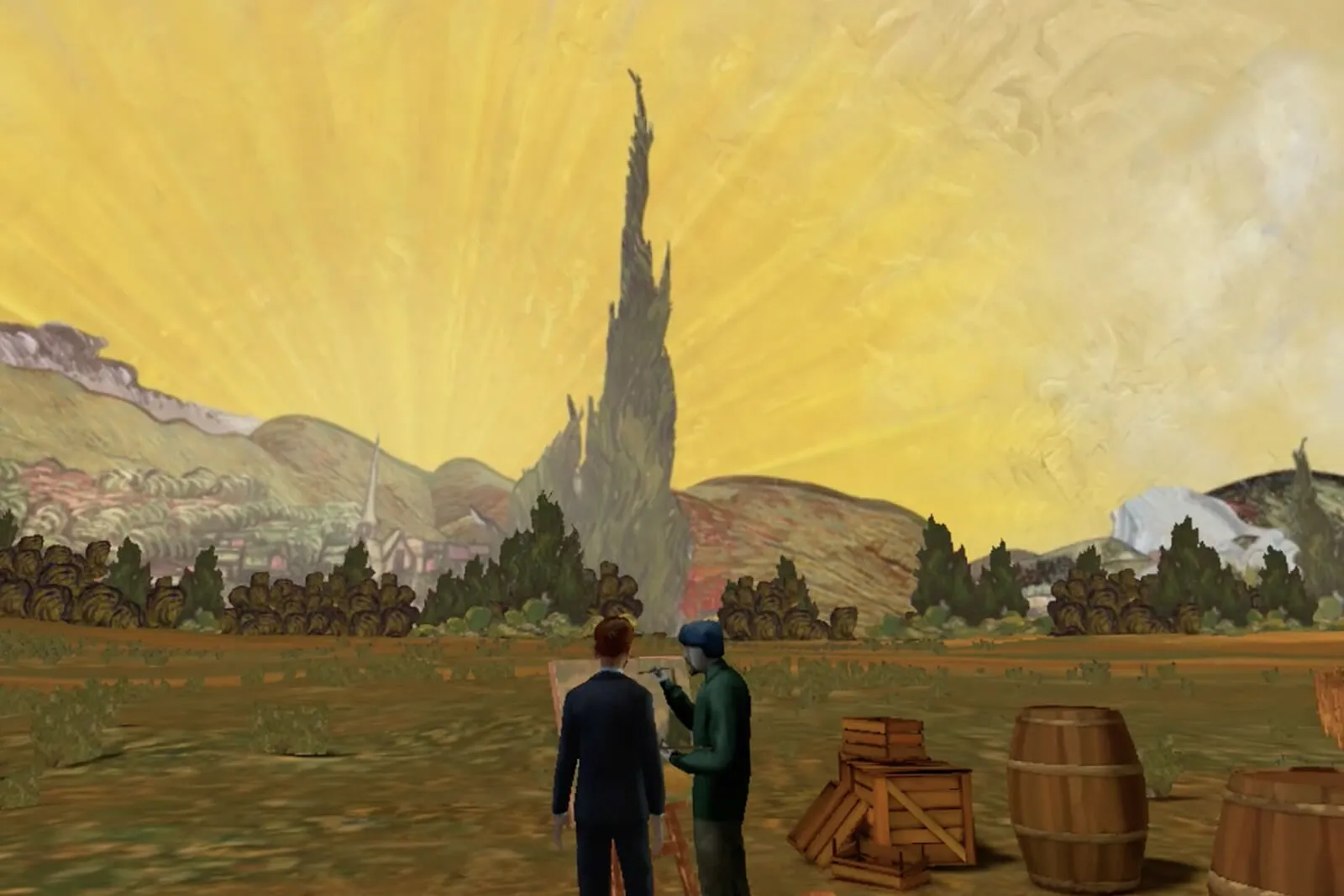
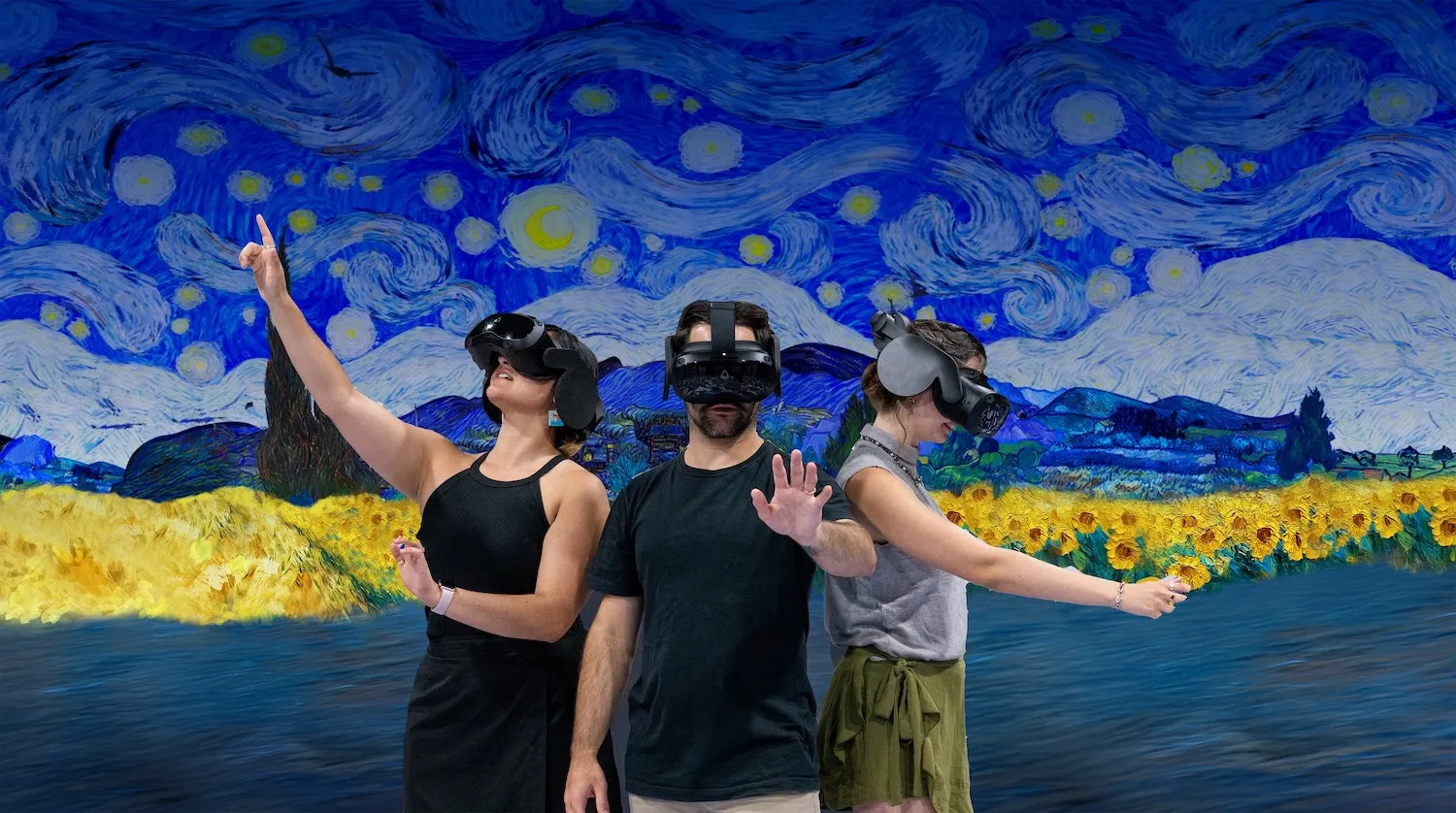
From entry points to retail areas, engaging interactive installations to opportunities for social sharing, every touchpoint shapes the overall experience. Small details can make a significant difference. How visitors enter, how they pause and how they leave all play a role.
It is less about adding complexity and more about creating cohesion.
No venue does this alone. Bringing an exhibition like Van Gogh Alive to life is a collaborative process built on shared expertise.
From technical integration to audience engagement, the right partnerships ensure that the experience feels seamless rather than staged. When everything aligns, it does not feel like a touring exhibition. It feels like it was made for that space.
At its core, hosting an immersive exhibition is about connection. It is about giving people a reason to visit and a reason to return.
For venues looking to diversify programming, reach new audiences and create something genuinely memorable and emotionally engaging immersive experiences offer a compelling path forward. The key is approaching it with clarity, curiosity and a willingness to think differently about what a venue can be.
.avif)




.jpg)