
Some artists never fade. Their work moves through generations, across cultures and into entirely new formats, without losing its impact.
Leonardo da Vinci and Vincent van Gogh are two of the clearest examples of this. Long before immersive exhibitions became a global phenomenon, their work was already drawing millions. What has changed is how audiences experience it.
Today, they sit at the centre of some of the most in-demand immersive exhibitions in the world. That is no coincidence.
There is a unique balance at play with both artists. Recognition and discovery.
People feel like they know da Vinci and van Gogh. Their iconic works are part of cultural memory. Immersion allows those same works to be experienced in a completely different way.
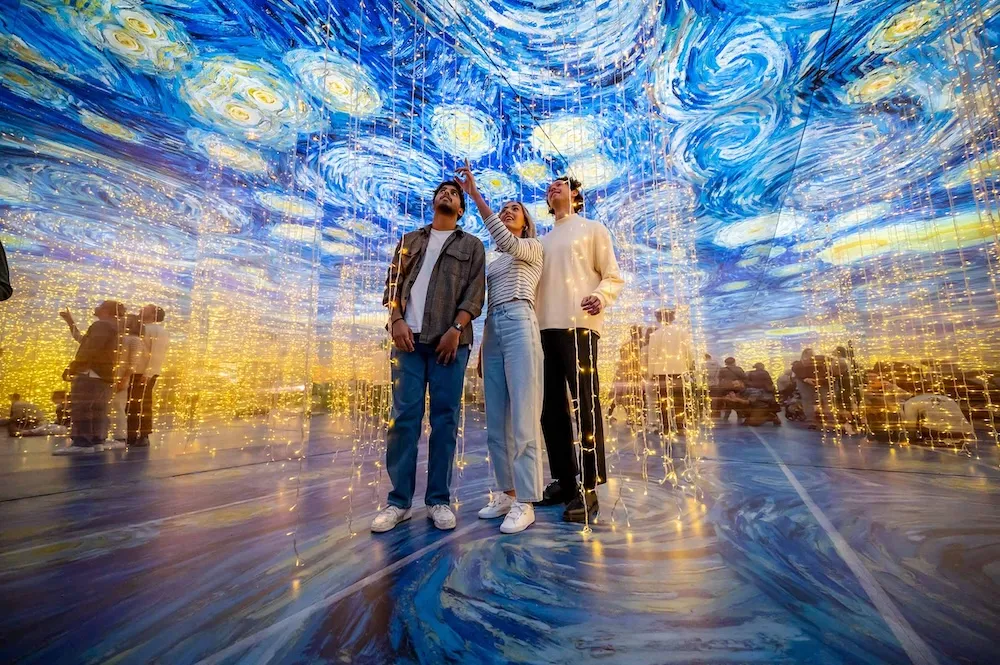
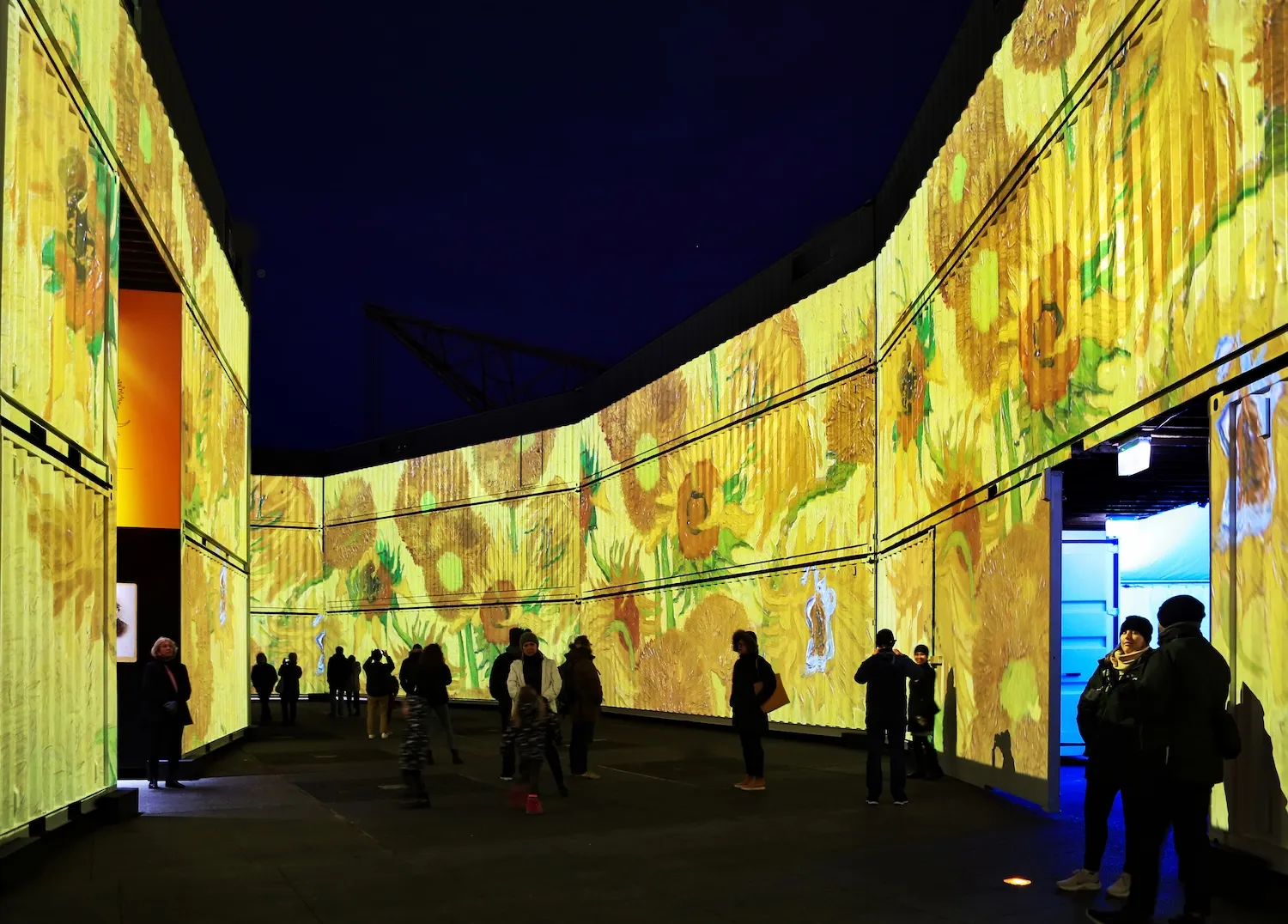
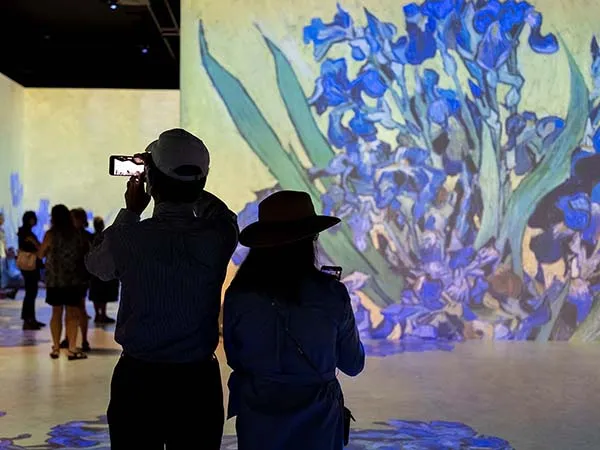
Instead of standing at a distance, audiences are surrounded. Details that might go unnoticed on canvas become central. Movement, scale and sound reshape how the work is understood.
It is not about replacing the original. It is about reinterpreting it.
Not every artist lends themselves to immersion. Some works are too subtle, too conceptual or too dependent on physical presence.
Van Gogh and da Vinci are different. It carries emotion and storytelling in a way that translates powerfully into large-scale, multisensory environments.
Van Gogh’s intensity and Leonardo’s genius create a fascinating story to tell in an immersive format.
Another reason for their continued demand is accessibility.
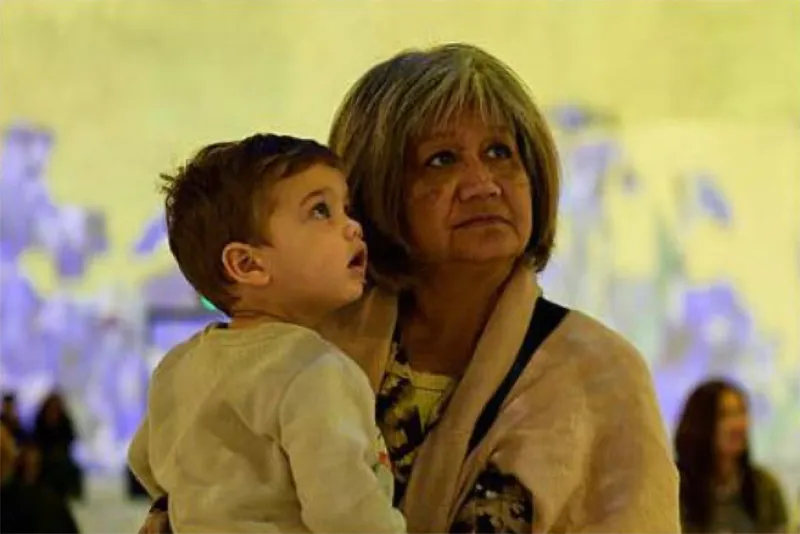
You do not need an art history background to appreciate their art and ideas. The themes are universal. Nature, emotion, science and movement. Immersive formats amplify that accessibility, making the experience feel open rather than exclusive.
For promoters and programmers, this matters. Exhibitions that resonate across demographics and across international markets offer a level of confidence that is hard to replicate.
What is often overlooked is how adaptable these exhibitions are.
The core works remain the same, but the way they are presented continues to evolve alongside technology and audience expectations. This keeps the experience feeling fresh, even in markets where immersive exhibitions are becoming more common.
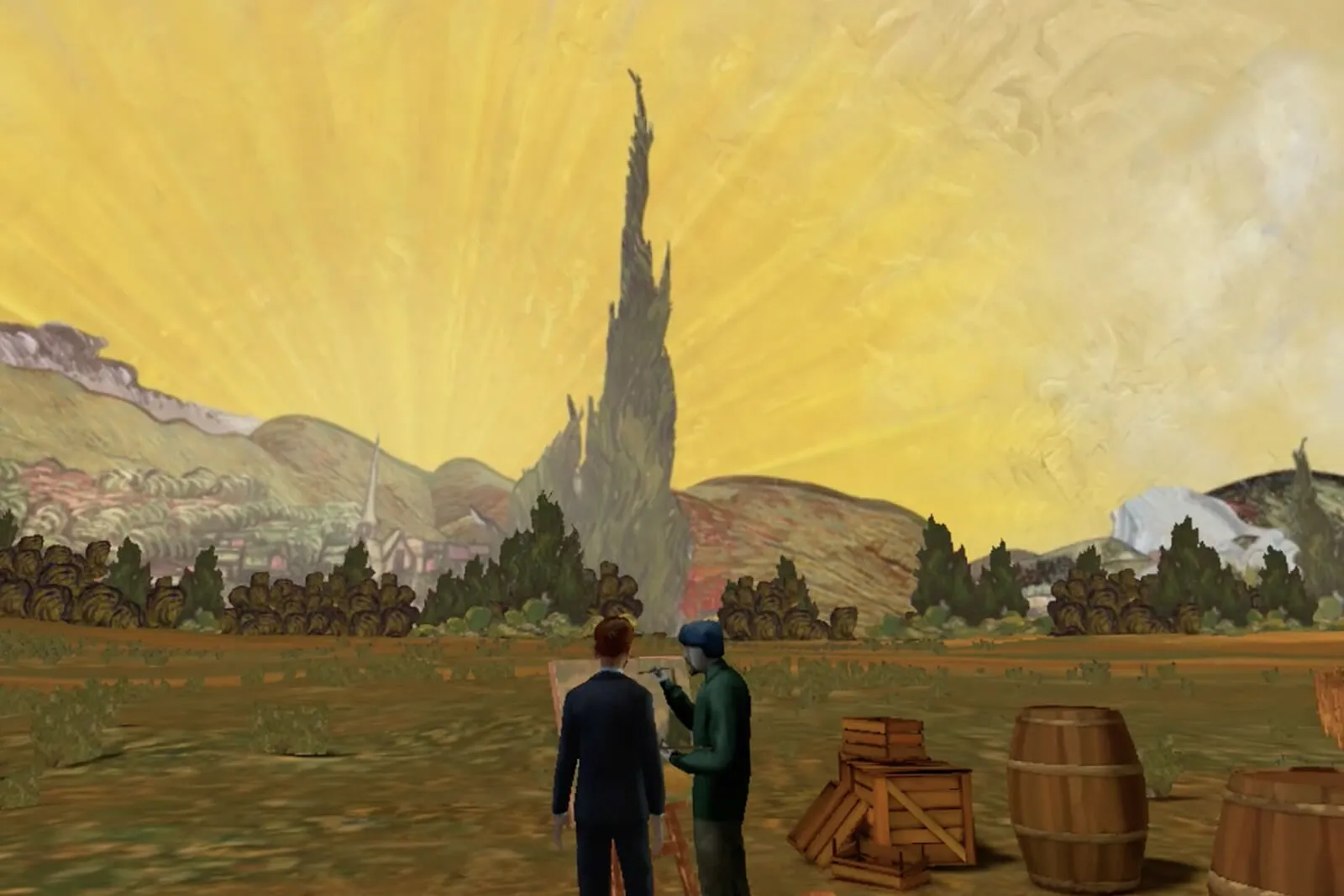
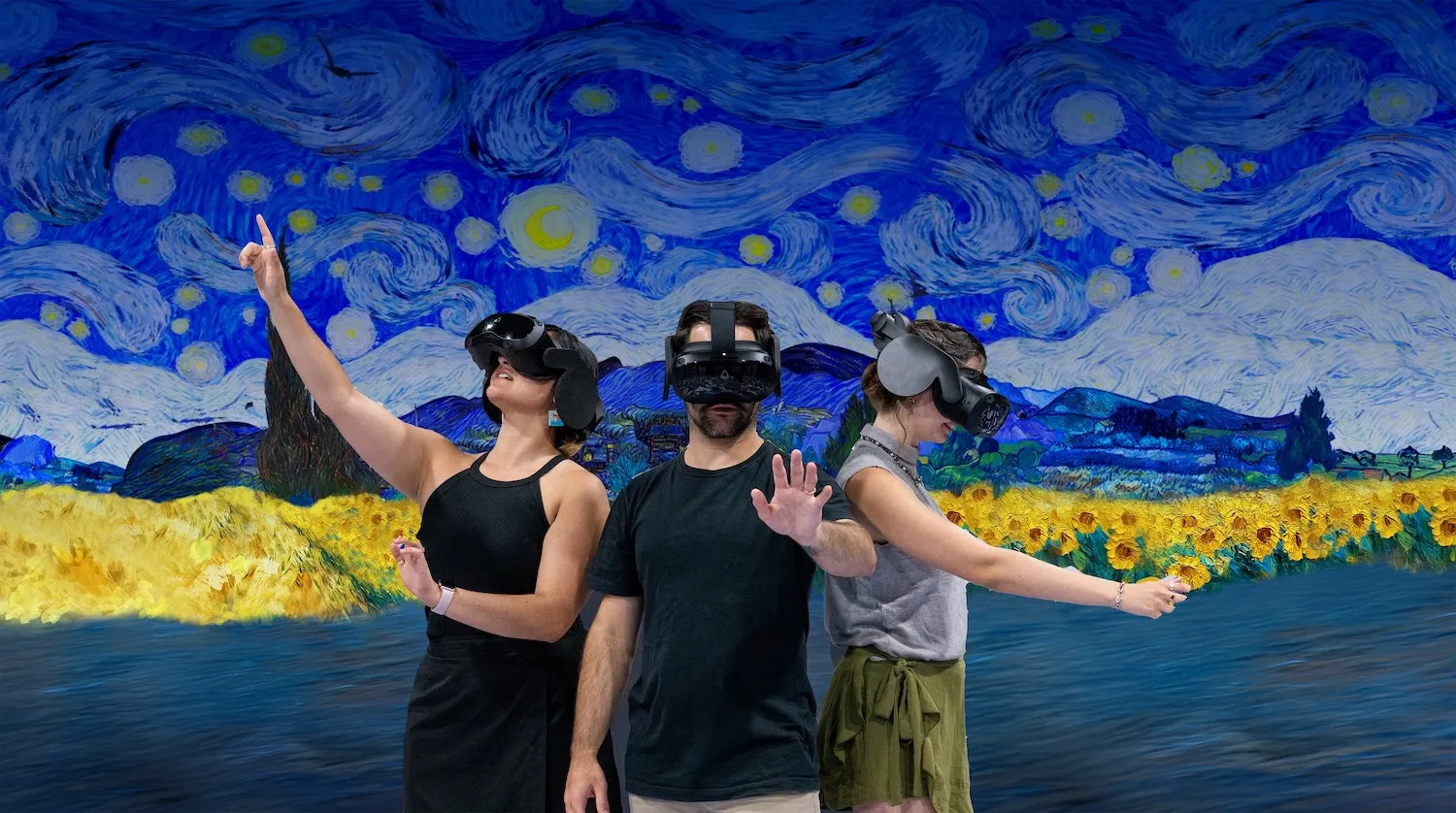
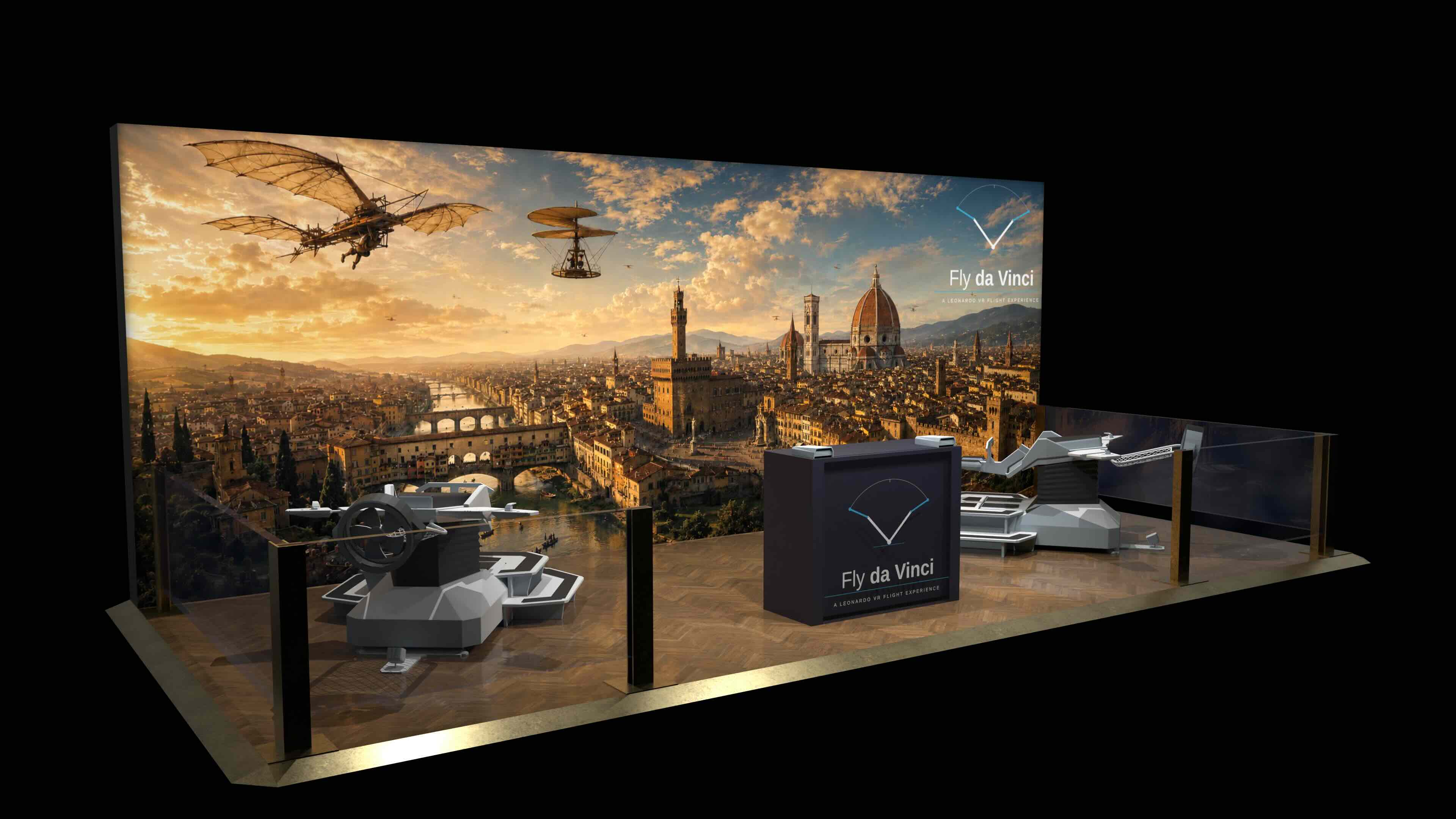
The inclusion of shared virtual reality and engaging interactive installations help audiences understand the story and subject matter in new and exciting ways.
It is not just about demand. It is about longevity.
There is a tendency to frame immersive art experiences as a passing phase. The sustained popularity of da Vinci and van Gogh experiences suggests something deeper.
These exhibitions sit at the intersection of culture and entertainment, education and escapism. They offer something familiar, presented in a way that feels new.
As long as audiences continue to seek out experiences that are both meaningful and memorable, da Vinci and van Gogh are likely to remain exactly where they are now, at the centre of it all.
.avif)




.jpg)