
Science centres and science museums share a common ambition. To make complex ideasaccessible. To spark curiosity. To help visitors of all ages see the world a little differently.
Few figures in history embody that mission more completely than Leonardo da Vinci.
A natural fit for STEAM programming
Long before science, technology, engineering, art and mathematics were grouped under a single acronym, Leonardo was already moving fluidly between them. His notebooks contain studies of flight, hydraulics, anatomy, optics, mechanics and military engineering, sitting alongside some of the most recognisable artworks ever produced.
For a science venue, this matters. Leonardo's work demonstrates, in a single body of ideas, why STEAM is more than a buzzword. He is living proof that scientific inquiry and creative expression are not separate disciplines, but two halves of the same instinct.
Hands-on by design
Leonardo da Vinci – 500 Years of Genius has been built with engagement in mind. Hand-crafted machine inventions from the artisans of Museo Leonardo da Vinci in Rome bring his sketches into three dimensions, from gliders and parachutes to hydraulic pumps and mechanical instruments.
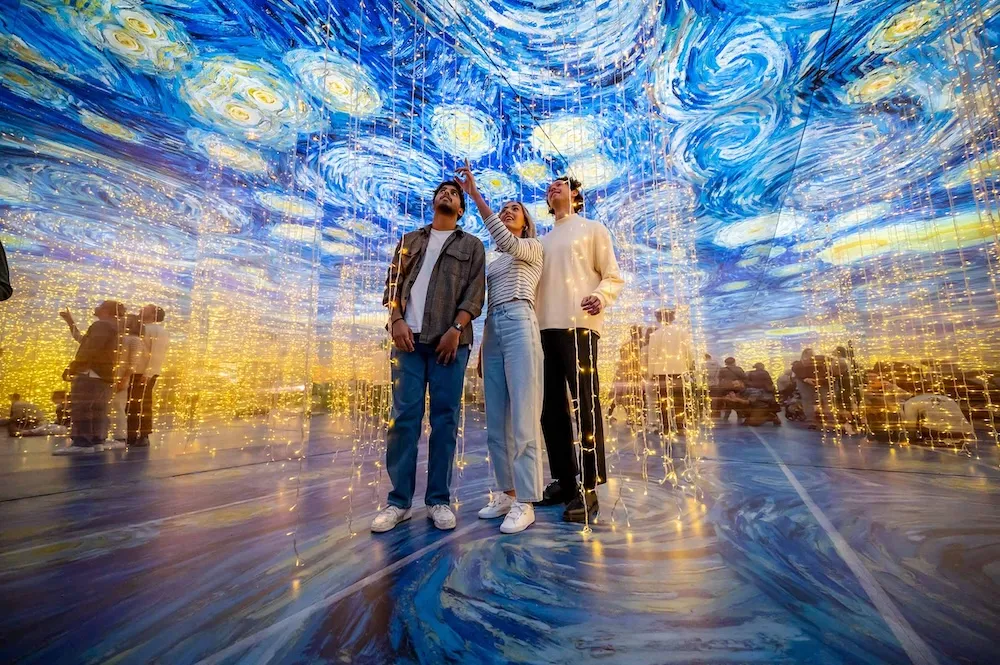
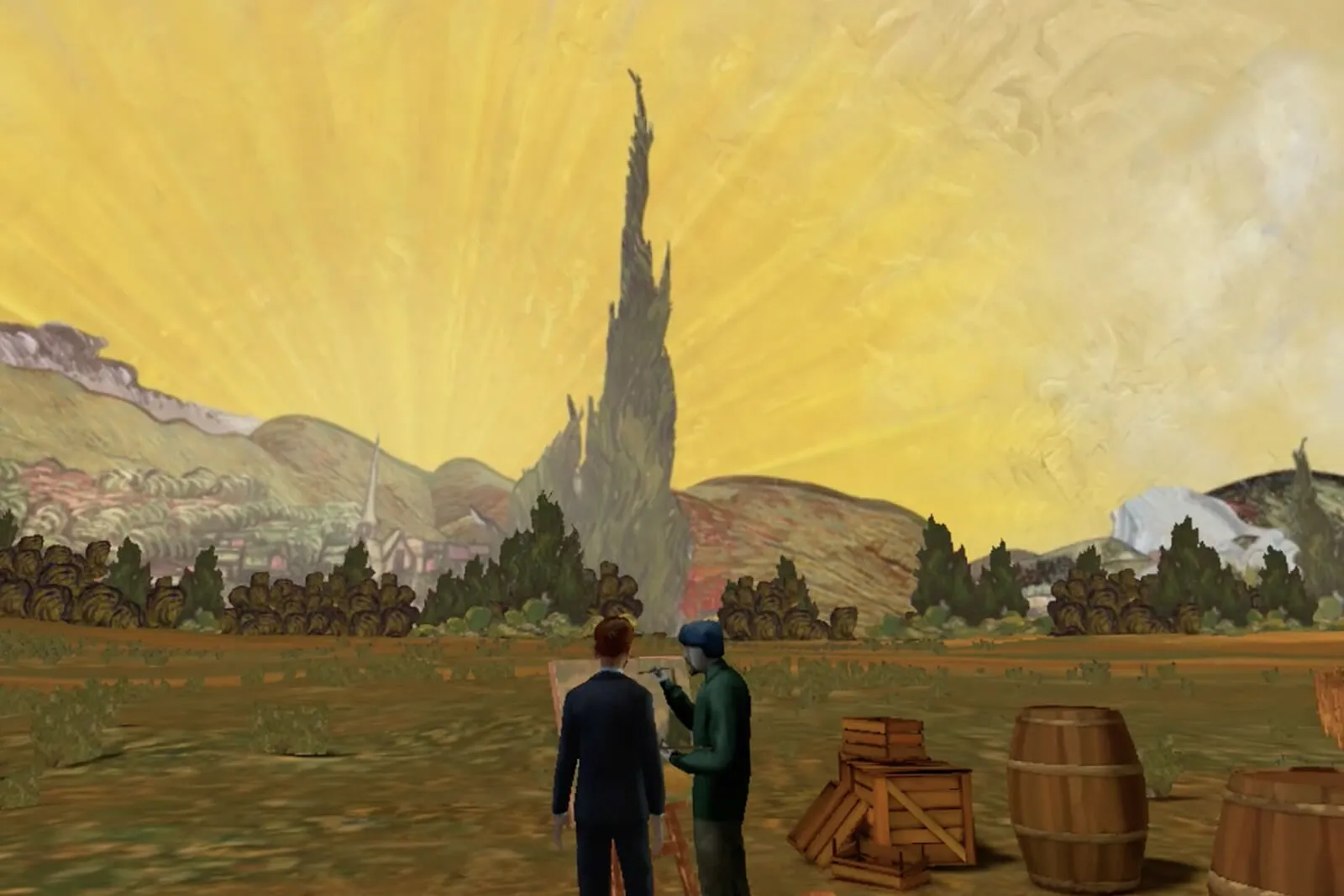
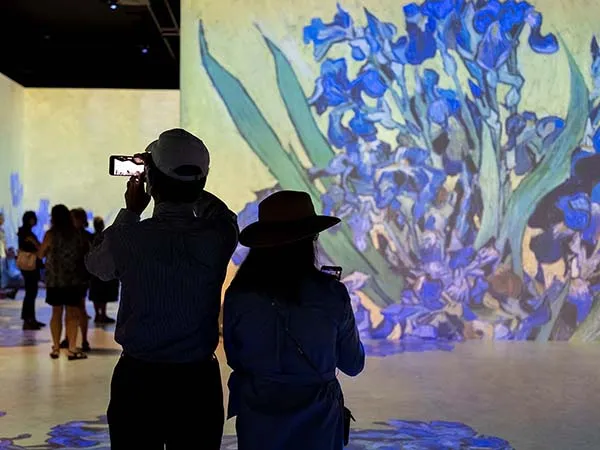
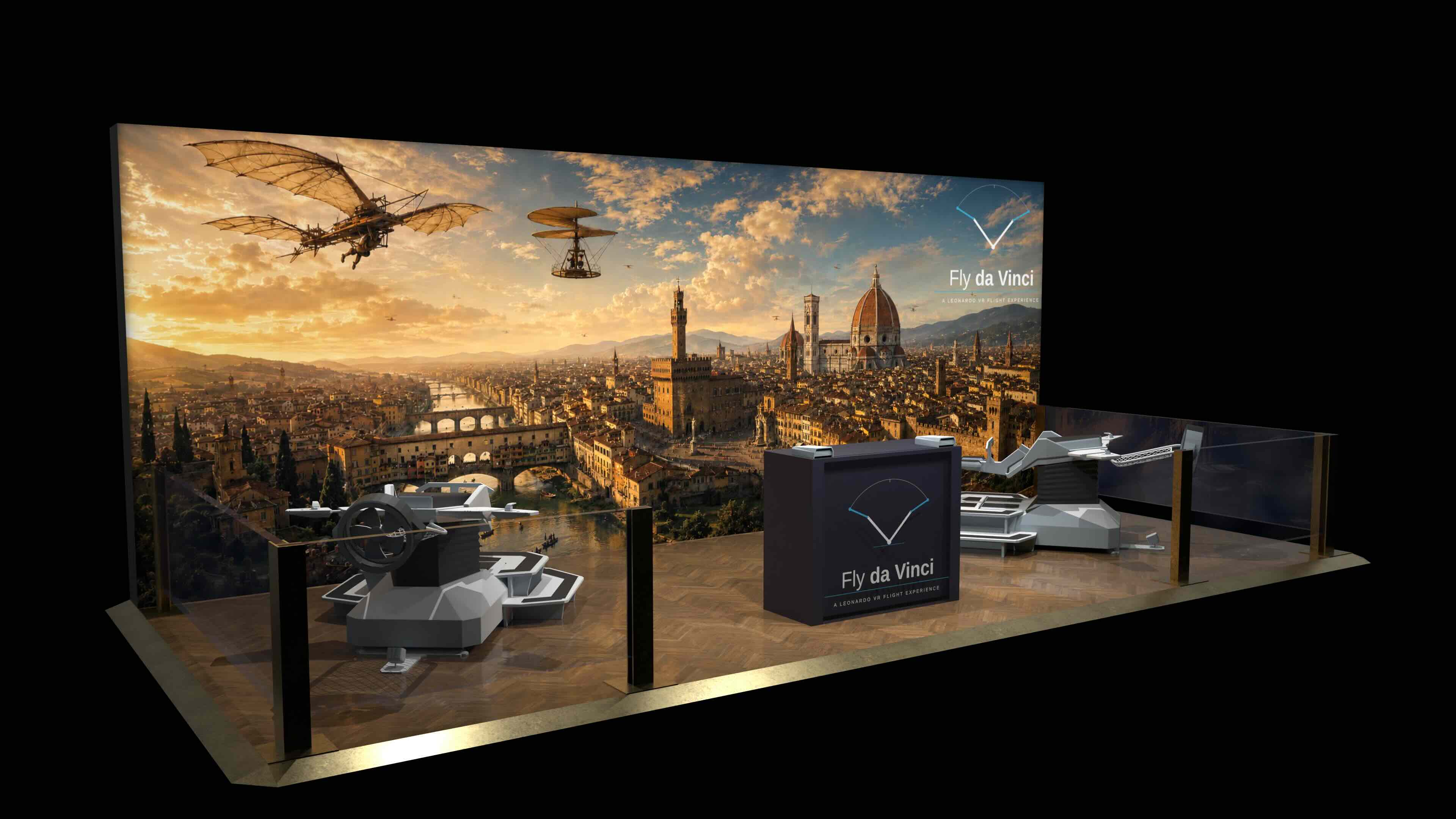
Visitors do not just look. They explore. The Vitruvian Man interactive uses scanning technology to place audiences inside Leonardo's pursuit of human proportion. A VR flyover allows guests to soar over Florence & Rome. An AI kiosk reimagines their portrait in Leonardo's hand. The Artist's Drawing Studio invites them to sketch machine inventions of their own.
These are exactly the kinds of touchpoints science centres already do well, applied to a subject with extraordinary breadth.
Built to flex around your venue
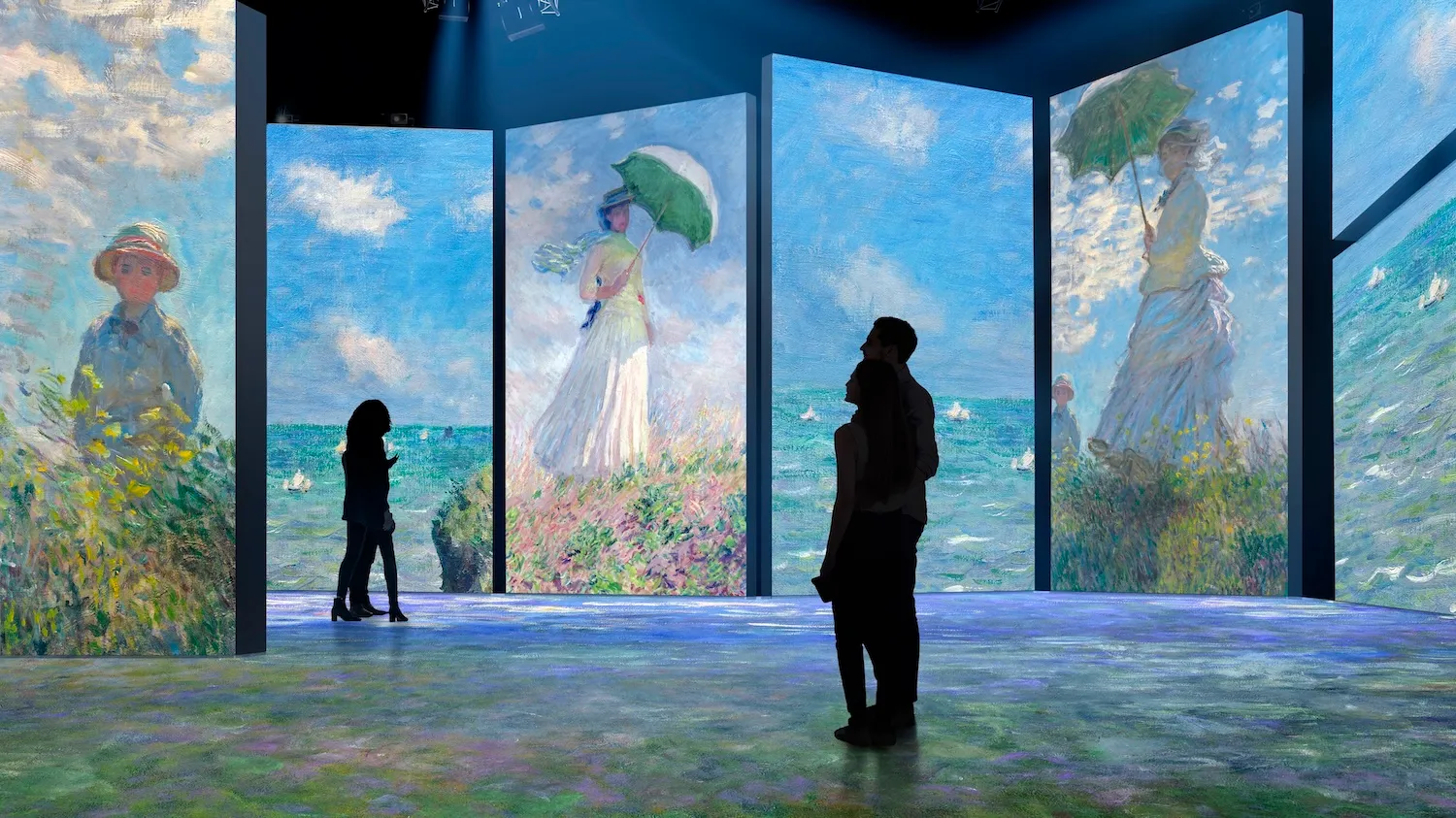
The exhibition is presented in a modular format, with display options ranging from 400 to 2,000 square metres. Hosts can curate the themes that best suit their audience and gallery footprint, whether the priority is engineering and flight, the study of physics and mechanics, human anatomy, or the multisensory immersive gallery at the heart of the experience.
That flexibility is particularly valuable for science venues, which often have unconventional spaces and active education programmes running in parallel. The exhibition adapts to the venue rather than the other way around.
A name that brings people through the door
Leonardo is one of the most universally recognised figures in history. That recognition translates into footfall. Since 2006, Grande's Leonardo da Vinci exhibitions have been presented over 100 times around the world, drawing families, students, tourists and school groups who might not otherwise step into a science centre.
For programmers looking to widen their audience, deepen STEAM offerings and create something that genuinely lingers in visitors' memories, few subjects deliver as much as Leonardo da Vinci.
His work was never confined to a single discipline. This exhibition isn’t either.
.avif)




.jpg)